

Our goal: To recreate brain-inspired AI architectures. At the core of this endeavor is a diverse team of neuroscientists and AI engineers, whose combined expertise drives our approach. Rather than treating brain inspiration as a loose analogy, we engage in a continuous cross-disciplinary dialogue. The neuroscientist identifies the sparse coding mechanisms that make biological perception so efficient; the engineer finds a way to implement that mechanism on silicon without losing the learning dynamics. It is this foundational partnership—the ability to speak both the language of the synapse and the language of the tensor—that positions us to redefine the limits of artificial intelligence
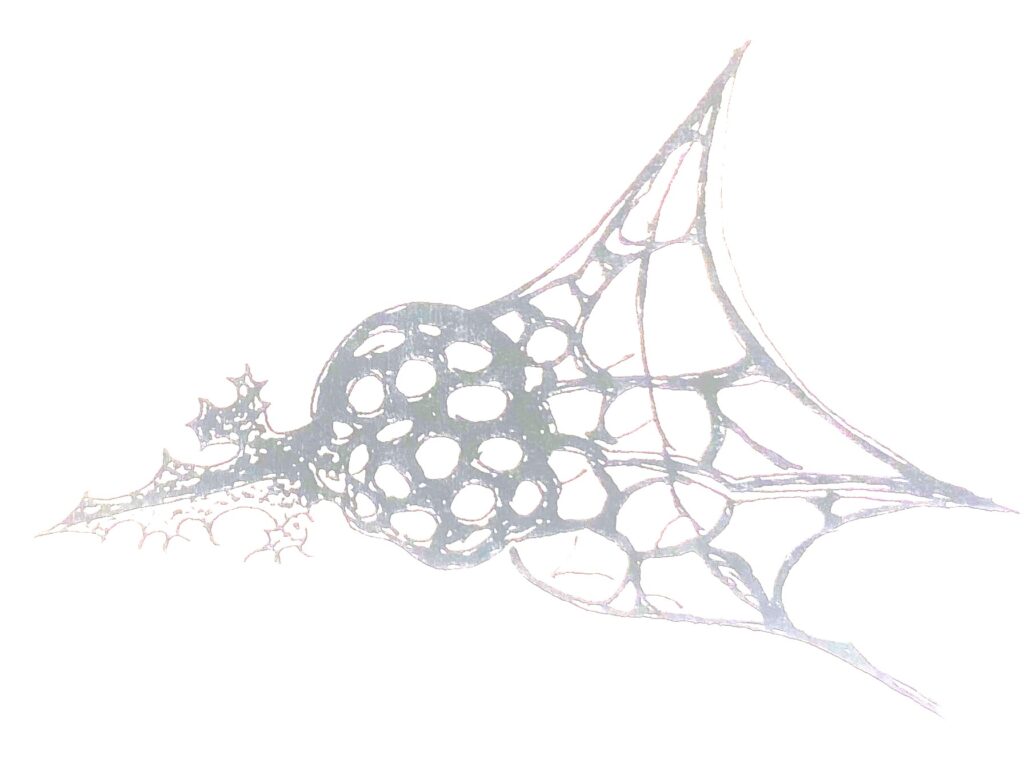
“What is a number, that a man may know it, and what is a man, that he may know a number?”
Warren McCullouch
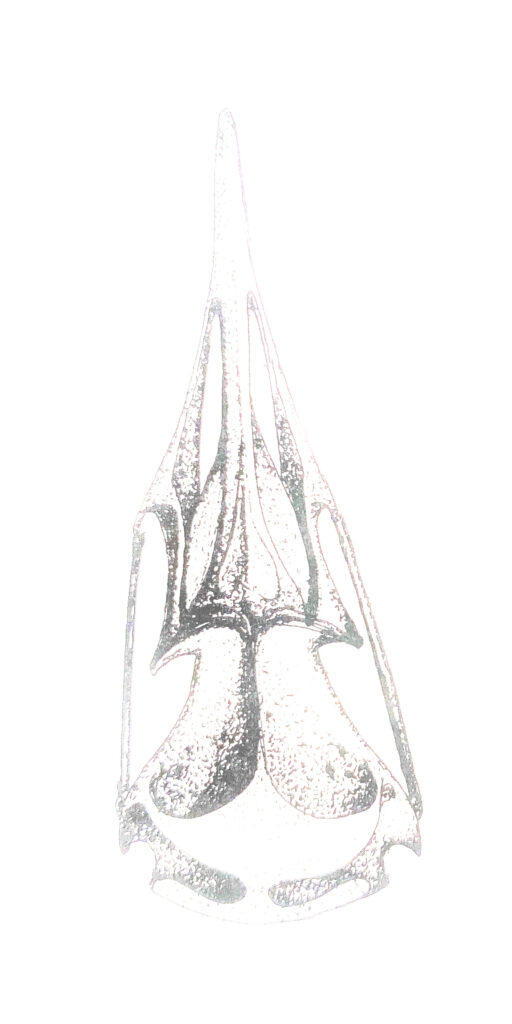
At its conceptual core, modern machine learning is fundamentally a human endeavor to mathematically replicate the principles of biological neural networks. This lineage is explicitly evidenced by the field’s foundational 1943 paper by Warren McCulloch and Walter Pitts, which proposed a simplified mathematical model of a neuron to explain logical thought. The direct architectural descendant, the artificial neural network, remains the central engine of deep learning.

A true neural network, as found in most living organisms.